
Nailed it in Lacey
Dear Yoga Therapist,
I’m having a gel knee injection to help support my right knee. Nearly 20 years ago I had an accident with a nail gun and took a nail straight to the kneecap. What kind of movement should I be concerned with during recovery to prevent further injury? Thank you so much for your help!
— Nailed It in Lacey
Dear Nailed it,
I bet that is one heck of an x-ray, and I hope I get to see it one day. Good news first: gel injections are pretty straightforward. Most people have little to no downtime, maybe a day or two of taking it easy and then they’re back to normal activity. You might notice some mild soreness around the injection site, but that usually settles quickly. Follow your doctor’s aftercare instructions, let the knee rest for that short window, and you should be in good shape.
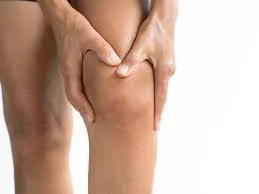
The unasked question that I am totally going to answer is: What comes next?
A serious knee injury like you had changes the conversation around movement for good. Not in a scary way, but in a “let’s be thoughtful” way. The knee is a joint that does a lot of work, and it responds well when we give it the right kind of attention. Going forward, the goal is to build a practice that supports the joint, keeps the surrounding tissue strong and mobile, and reduces the likelihood of re-injury without adding unnecessary pain to the process.
Here’s where regular group yoga classes find limitations. Most group classes, even gentle ones, include movements that ask a lot of the knee. Deeply bent knees, kneeling positions, lunges and squats — are common in yoga, and a group setting doesn’t always leave much room for modification. Don’t count yourself out of classes though, just check in with the format. Chair yoga is a great option. You get the breath, the movement, the community, and your knee stays in a supported range the whole time. Get creative with your alignment. Look for classes where poses can be modified or substituted, and don't be shy about checking in with your teacher before or after class — a quick conversation can go a long way toward making a group class work for your body. One small tip: in any kneeling position, try padding under the shin rather than just the kneecap. It distributes the load differently and many people find it more comfortable. And don't take alignment cues too literally. If the knee isn't quite over the ankle and that feels better, follow that lead. Your body's feedback is more reliable than any rule.
Another route might be a session at the Yoga Therapy Clinic or some one-on-one time with one of our teachers can make a real difference. That’s where we get to look at your knee specifically — how it’s moving, what the surrounding tissue needs, what’s working and what isn’t — and build something that fits your body rather than asking your body to fit a general class.
Twenty years later, your knee is still talking. Good news — we speak that language.
With care,
Your Yoga Therapist