A Hitch in my Giddy-up
This week's question comes from a student who is navigating pain in the practice they love. They write:
Dear Yoga Therapist,
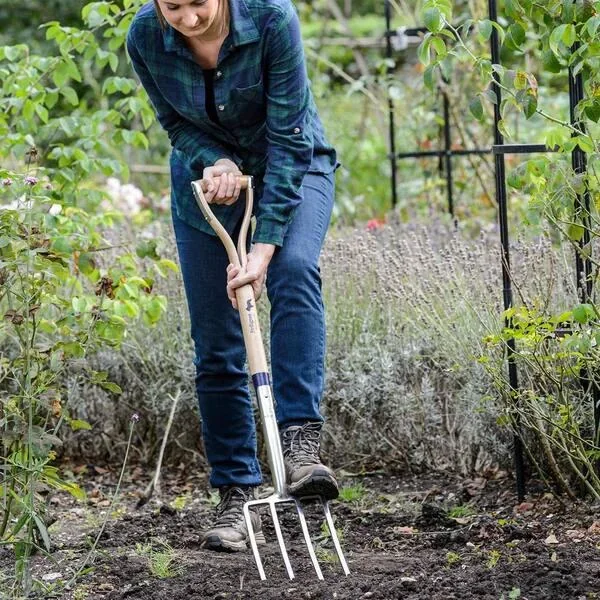
I've got pain in the back part of my right shoulder. It especially hurts when I put weight on it, like in Down Dog. I can't easily bring my right arm into a straight position above my head. I believe it's the result of an injury incurred while turning a compost pile with a pitchfork. Can you help?
Signed, Hitch in My Giddy-up
Dear Hitch,
I love some good soil, and it feels genuinely unjust that tending the sweet earth repaid you with a shoulder injury. That said — repetitive, load-bearing, often asymmetrical movement is exactly the kind of thing to do just that. Your pitchfork had a lot to say, and your shoulder heard every word.
Let's talk about what might actually be happening.
There are several possibilities — rotator cuff strain, something irritated in the posterior capsule, a grumpy AC joint — and without being in the room with you and watching you move, I can't tell you which one. That's not a dodge; that's just the truth about shoulders. They're complex, and yours deserves a real set of eyes on it. Please see a physical therapist or your general practitioner, especially given the trouble with weight-bearing and overhead range. That's worth getting properly assessed.
Just listen to your body, right?
"Listen to your body" is easy to say and less easy (at first) to actually do. It is actually pretty vague and doesn't come with instructions. So let me offer some. Listening to your body looks like arriving in a pose slowly rather than dropping in all at once — cultivating the skill of being in a yoga class and not doing exactly what the teacher says. It looks like asking where the sensation is, what kind it is, and whether it changes as you breathe or shift your weight. Sharp, pinching, or burning? That's a hard stop. A dull ache that softens as you warm up? That's a different conversation entirely.
And sometimes what the body is saying is rest. Not forever. Just a pause that lets the tissue catch up. Rest is not the opposite of practice — it is part of it.
When you're ready to move, you have more options than "do it" or "skip it." Fists instead of flat palms, elbows can be softly bent in an effort to shift weight back toward the heels — small changes that meaningfully reduce the demand on that shoulder. One of my favorite tools in 1:1 work is taking Down Dog to the wall: hands on the wall instead of the floor dramatically reduces load and helps you gradually work back into that range. If that kind of individualized work sounds useful, reach out. And remember — none of these are lesser versions. They're smarter versions for where your body is right now.
Here's what I want you to hold onto: movement that is pain-free — even in a reduced range — is a win. It keeps the tissue healthy, the joint mobile, and it keeps you on your mat doing everything else you love. Your Warrior II isn't going anywhere. Your breathwork is still yours. Savasana remains the best part of class. A shoulder that needs modifications doesn't bench you from your practice. It just asks you to meet yourself with honesty and a little compassion.
Someone who turns compost with a pitchfork understands that care given now becomes something rich later. Your shoulder is no different. Tend it well.
I'll see you on the mat.
With care,
Your YT.